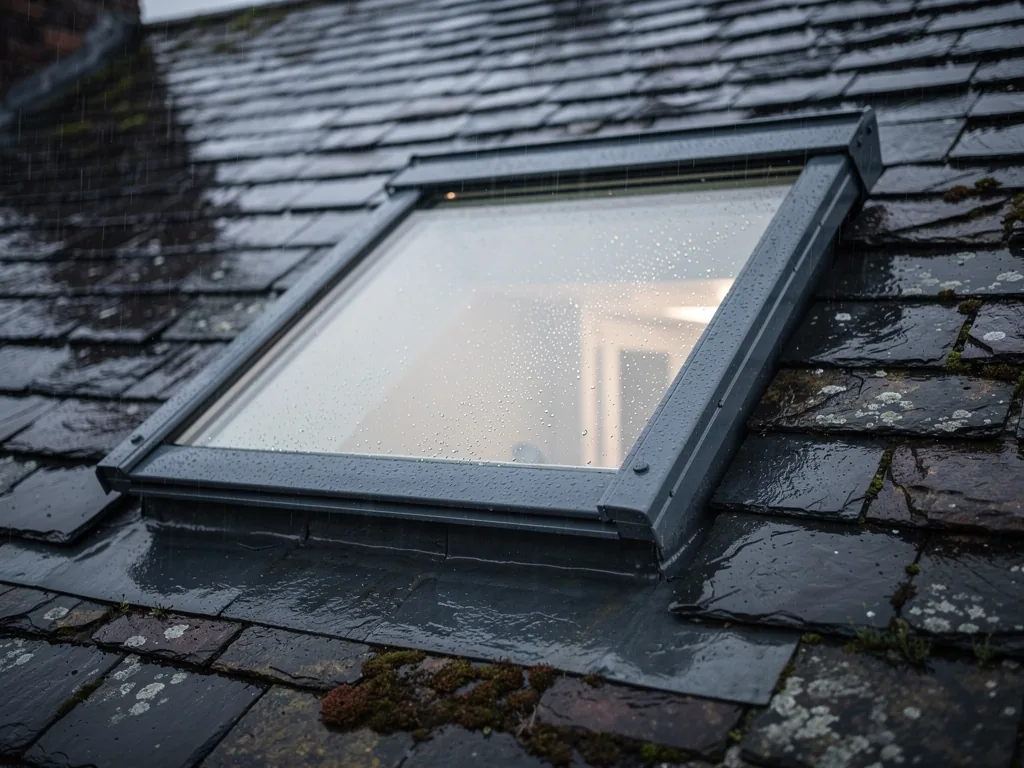
A tired VELUX can be taken out and a new window put into the same opening, with the same place in the slope and the same size on the plate. People call that a like-for-like swap, and it is the simplest route from an old window to a new one.
The phrase hides a few decisions. Glazing, the way the sash opens, whether the window moves by motor and what the covering around the frame needs are all open to change while the size holds still. The paperwork follows the swap as well, because a replacement roof window is building work.
The survey is free, the fixed written quote comes after it, and the work carries our 10-year workmanship guarantee in writing. This guide covers what to know before that visit.
What like for like actually means
In a roof window swap, like for like means three things stay put. The size stays, so the new unit matches the old one's listed width and height. The opening stays, so the roof structure around it is left alone. The position stays, so the window sits where it did in the slope and the room below keeps its lines.
Size is the part you can check yourself. The code sits on a small metal plate at the upper edge of the sash, and our page on reading the VELUX size code shows where to look and what the code stands for. Photograph the plate, because everything else follows from it.
The position of a window counts for the room below and the roof above. The sill height, the sight line from the bed or the desk and the way light crosses the floor all depend on where the window sits. A swap holds every one of those steady, which is part of what makes it the simplest route.
Leaving the opening alone is what keeps a swap simple. Once the hole in the roof has to change, the job is a different one, with different rules, and a later section here describes where that line falls.
Words you will hear
These terms come up whenever a swap is discussed, and each has a plain meaning.
Swap terms
- Like for like
- A new window of the same listed size in the same opening.
- Flashing
- The metal surround that weathers the frame into the slates or tiles.
- Sealed unit
- The glass assembly sealed around its edges, held in the sash.
- Lining
- The finish between the frame and the ceiling inside.
- Building control
- The body that checks building work meets the Building Regulations.
What can still change inside the same opening
The listed size fixes the outline, and several things can differ within it. Glazing is the first. VELUX lists a dirt-repellent finish, safety lamination and rain noise reduction among its glazing variants, and which of them suit a particular window depends on the model and the variant.
Operation is the second. A manual sash can give way to an electric one where the room would benefit, and VELUX's electric models carry a rain sensor that closes the window when rain starts. Our guide to how rooflight rain sensors work sets out what that involves.
The way the sash opens is the third. A top-hung window and a centre-pivot one behave differently in the room, and choosing how a roof window opens compares them. Whether a different style fits an existing opening is settled at the survey.
Pitch is the fourth, and it limits the product. VELUX makes a low-pitch roof window of its own, listed for a roof pitch from 10 to 20 degrees. A window going into a roof at the edge of that range is worth discussing before the plate is read.
| Choice | Can stay as it was | Can change |
|---|---|---|
| Size | listed width and height | only by altering the opening |
| Glazing | same pane build-up | dirt-repellent, laminated, rain noise variants |
| Operation | manual handle | electric, with rain sensor |
| Opening style | same hinge | where the opening allows it |
The rules that follow the swap
A swap is building work. Roof windows sit among the fittings the Building Regulations control, so a new one replacing an old one is building work, and a repair is outside it. Where the work is notifiable, we handle the Building Regulations notification with local authority building control or a registered building control approver.
Energy comes next. A new or replacement roof window in Wales should meet 1.4 W/m²K, or Window Energy Rating Band B. A home of architectural or historic interest, or one whose façade has to keep its character, can fall back on 1.2 W/m²K centre-pane glazing, or on low-e secondary glazing, where 1.4 cannot be reached. Approved Document L (Wales) is guidance, so these are the values a roof window should meet.
Ventilation is easy to forget. If the outgoing window has background vents, the new window should offer ventilation openings no smaller, adjusted by hand or working automatically. A home ventilated by a continuous mechanical system that supplies and extracts air is the exception. The aim of Approved Document F (Wales) is that the home's ventilation after the swap is no worse than before it.
Escape matters in a loft bedroom. If the old window sat where a new house would have needed an escape window, and it was big enough to be used that way, the replacement should offer at least the same potential. The rule leaves room to reduce an oversized opening to the minimum escape size. Tell us which room the window is in.
Listed houses, protected land and the council
A swap leaves the opening where it is, yet some houses carry extra conditions. A listed building needs listed building consent where the work affects its character, and the application goes through the local planning authority, which consults Cadw. Cadw has said that replacing traditional windows with uPVC on a listed building will not normally be acceptable.
Houses in conservation areas, the Gower AONB, Bannau Brycheiniog National Park or a World Heritage Site have no permitted development for a new rooflight in the slope. Rights can also be withdrawn by an Article 4 direction or by a condition attached to the house's original planning permission. The council's planning team can confirm how any of this applies to a replacement at your address.
Flats and maisonettes sit outside the householder rights, so mention it when you first get in touch. The planning side is laid out in skylight planning permission in Wales, and a Lawful Development Certificate settles a doubtful case formally.
What the survey looks at
The roof and the room are read together at the visit, before any figure is mentioned. For a swap, that starts with the plate, and goes on to the condition of the frame and the lining, the way the flashing meets the covering, and how the opening sits against the rafters.
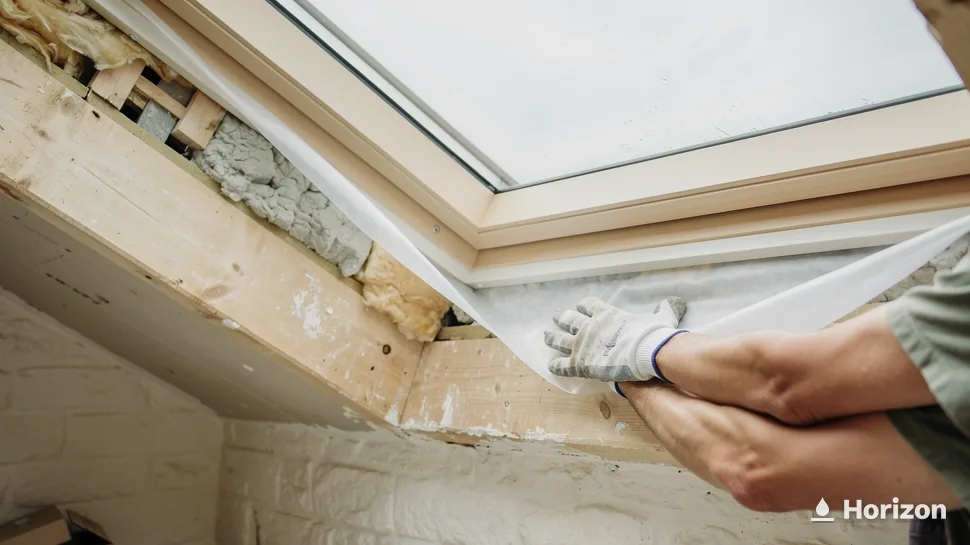
A roof window sits in a house with its own history. The covering around the old frame shows how it was weathered into the slope. Say whether the roof is slate or tile, and the survey compares that with the flashing.
The survey also decides whether like for like is the right plan. If the plate reads clearly and the opening is sound, a straight swap is the plan to price. If the timber around the opening has moved, or the roof pitch limits the choice, the plan can change.
What to have ready
- The plate A photograph of the whole type sign with the sash open.
- The room Which room, and whether anyone sleeps there.
- The covering Slate, plain tile or profiled tile, as far as you can tell.
- Any paperwork An old guarantee, invoice or listing notice for the house.
When a swap turns into a new opening
A bigger window is one way a swap changes character. A larger size means a larger hole, and forming an opening usually alters the roof structure. Weight is a question too: the roof must carry the unit or be strengthened, and a brand-new rooflight opening generally means approval from building control.
Glass area is checked as well. Approved Document L (Wales) looks at total glazing: when an opening is enlarged or a new one made, windows and doors together should stay within 25% of the home's total floor area. Under the next edition, in force from 4 March 2027, roof windows and rooflights count towards that glazing total, and a home can exceed the figure if its energy performance is raised in exchange.
Moving a window to a different spot in the slope has the same effect. It is a new opening, with a new hole to cut and the old one to close. Both routes can be talked through at the survey, before the fixed written quote.
A like-for-like swap
- same listed size
- same opening and position
- roof structure left alone
A new opening
- different size or position
- roof structure usually altered
- approval generally needed
After the swap
The work carries our 10-year workmanship guarantee in writing. Manufacturers may add warranties of their own on the window, which you can ask about when the quote arrives. Keep both documents with the house papers, along with a photograph of the new type sign.
That photograph pays off the next time. A plate you can read on your phone saves the climb, and the next owner of the house will be glad of it. If the window is electric, keep the details of the control and the sensor beside it.
For the cost of a swap, our page on average VELUX window costs explains that figures come after a survey. The VELUX windows hub brings the rest of the range together, and the whole roof windows range sits one level up.
Take a photograph of the new type sign the day the window goes in, and keep it with the guarantee.